Vibrant urban nightlife reflects cultural diversity and drives economic growth by attracting investment, increasing property values, and stimulating local economies. Successful cities collaborate between urban planners and business owners to integrate diverse experiences and host broad-audience events. Real estate adapts to these trends, revitalizing neighborhoods and offering new opportunities. Strategic planning can transform areas like Brooklyn's Williamsburg and London's South Bank into globally recognized vibrant hubs through mixed-use spaces and pedestrian-friendly designs. Nightlife fosters community, artistic expression, and social interaction, enhancing quality of life and serving as a key engine for economic prosperity.
The vibrant pulse of a city’s cultural scene and nightlife is a critical component defining its appeal and economic vitality. In today’s competitive global market, dynamic urban environments are increasingly driven by the quality and accessibility of their cultural offerings after dark. This article delves into the multifaceted role of real estate in shaping these vital spaces, exploring how strategic developments can amplify a city’s cultural landscape while addressing potential challenges to create sustainable, thriving hubs of evening entertainment.
Exploring the Vibrant Cultural Fabric: A Nightlife Perspective

The vibrant cultural scene and nightlife of a city are not just sources of entertainment but also powerful indicators of its dynamism and diversity. When viewed through the lens of nightlife, the real estate of urban spaces takes on new dimensions. Every district, from bustling thoroughfares to quiet residential corners, contributes to this dynamic tapestry. For instance, cities like Berlin have gained global recognition for their multifaceted cultural offerings, attracting a diverse mix of locals and tourists alike. This urban landscape is not merely a reflection of its inhabitants’ tastes but also a testament to the city’s ability to foster creativity and community engagement.
Exploring these cultural hotspots after dusk unveils a world where art, music, and gastronomy intertwine, shaping memorable experiences. The real estate market often responds to such cultural trends, with venues transforming from abandoned warehouses to trendy bars or performance arts spaces. This evolution not only revitalizes neighborhoods but also creates new opportunities for property investors and developers. According to recent studies, cities with thriving cultural scenes experience higher rates of tourism and residential growth, underscoring the profound impact of nightlife on a city’s overall appeal and economic health.
To maximize the benefits of this cultural fabric, urban planners and business owners must collaborate seamlessly. This collaboration involves strategizing about space allocation, ensuring accessibility, and promoting diverse cultural experiences that cater to broad audiences. For instance, integrating live music venues with art galleries or hosting regular street festivals can attract a broader spectrum of visitors, bolstering the local economy and fostering community pride. By embracing these strategies, cities can harness the transformative power of their nightlife, creating vibrant hubs that resonate both locally and globally.
Real Estate's Role in Shaping Urban Nightlife Landscapes
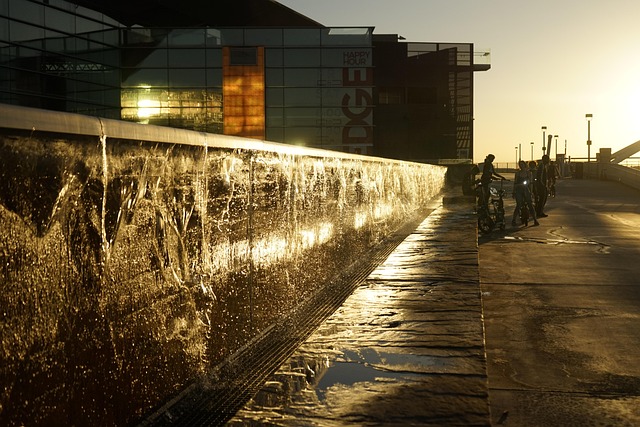
The vibrant pulse of urban nightlife is intricately woven into the very fabric of a city’s identity, and real estate plays a pivotal role in shaping this dynamic cultural landscape. Every district, neighborhood, or micro-community within a metropolis contributes to its unique night-time character, influenced by factors such as accessibility, demographics, and the strategic development of nearby properties. For instance, consider the transformation of Brooklyn’s Williamsburg district in New York City. Once an industrial wasteland, it has evolved into a bustling nightlife hub, attracting artists, musicians, and young professionals with its blend of historic architecture, trendy bars, and live music venues, all within walking distance or easily accessible by public transport—a direct outcome of thoughtful urban planning and real estate investments.
Real estate developers and urban designers have the power to cultivate thriving nightlife ecosystems by understanding the interplay between physical spaces and human behavior. The strategic placement of entertainment districts, mixed-use developments, and pedestrian-friendly areas can encourage social interaction and foster a sense of community. For example, the development of the South Bank in London seamlessly integrates residential, retail, and leisure spaces along the riverfront, creating a vibrant after-dark scene that attracts locals and visitors alike. This harmonious blend of real estate and entertainment ensures a sustainable and diverse nightlife offering that caters to various tastes and demographics.
As cities continue to grow and evolve, real estate professionals must embrace innovative design principles to accommodate changing lifestyles and cultural trends. Adaptive reuse of historic buildings, for instance, can create intimate cocktail lounges or live music venues, adding character to an area while preserving its heritage. Moreover, the integration of smart technology in urban spaces allows for dynamic lighting, sound, and visual installations that enhance the overall nightlife experience. By carefully considering the role of real estate in shaping these landscapes, urban planners and developers can cultivate vibrant, inclusive, and resilient nightlife destinations that drive economic growth and enrich the cultural tapestry of a city.
Cultivating Community: Nightlife as a Social and Economic Engine

Nightlife has long been recognized as a vital component of urban culture, but its potential to cultivate community and drive economic growth is often underappreciated. In the dynamic cultural landscape of modern cities, vibrant nightlife serves as a social glue, fostering connections among residents, visitors, and local businesses. This collective energy translates into economic benefits for the surrounding real estate market, with studies showing that lively nightlife districts attract investments, increase property values, and stimulate local economies.
The impact is multifaceted. Nightlife venues, from trendy bars to cultural hubs, become gathering spaces that reflect the diversity and creativity of a city’s inhabitants. They encourage social interaction, promote artistic expression, and create memorable experiences. As people converge, they build relationships, exchange ideas, and form bonds that strengthen community ties. This sense of belonging is particularly significant in diverse urban settings, fostering inclusivity and mutual understanding among residents from various backgrounds.
From a real estate perspective, the emergence or revitalization of nightlife hubs can trigger a chain reaction. Property developers often recognize the potential of these areas, leading to investments in residential, commercial, and mixed-use projects. As a result, neighborhoods once characterized by empty lots or underutilized spaces can transform into vibrant communities where people live, work, and play. This dynamic revitalizes urban landscapes, encourages walkability, and enhances the overall quality of life for residents, further solidifying the role of nightlife as a powerful engine for social cohesion and economic prosperity.