
Mill Avenue's entertainment district, once underutilized, has undergone a remarkable transformation driven by strategic real estate development and urban renewal initiatives. Key features include trendy restaurants, bars, music venues, state-of-the-art cinemas, and modern condominium buildings integrating residential living with easy access to entertainment. This revitalized hub has sparked economic growth, increased foot traffic by 25%, and become a cultural powerhouse. To sustain success, focus on infrastructure upgrades, improved public transportation, and mixed-use developments, fostering partnerships between businesses, artists, and real estate stakeholders. Real estate naturally benefits from this thriving district's appeal and ongoing revitalization.
The dynamic transformation of urban spaces into vibrant entertainment hubs is a testament to the evolving needs of modern communities. Mill Avenue, known for its bustling atmosphere, presents a compelling case study in urban development. This lively district, rich in cultural offerings, has become a magnet for locals and visitors alike, driving significant real estate interest. However, the rapid growth poses challenges in maintaining its unique charm while ensuring sustainable development. This article delves into the intricate navigation of Mill Avenue’s entertainment district, exploring strategies to preserve its vibrancy and offering valuable insights for urban planners and real estate professionals.
Unveiling Mill Avenue's Vibrant Entertainment Hub

Mill Avenue, a vibrant thoroughfare in the heart of the city, has emerged as a bustling entertainment district, attracting locals and visitors alike with its dynamic offerings. This transformative change is a testament to the area’s potential, driven by strategic real estate developments that prioritize creating a thriving hub for all. The avenue’s landscape was once a mix of underutilized spaces and outdated buildings, but through visionary investments, it has metamorphosed into a symphony of activity, becoming the go-to destination for entertainment seekers.
The district’s success lies in its diverse range of attractions, carefully curated to cater to various interests. From trendy restaurants and lively bars to intimate music venues and state-of-the-art cinemas, Mill Avenue offers an eclectic mix that caters to every palate. For instance, the recent addition of a multi-level entertainment complex has brought together under one roof a gourmet food hall, virtual reality arcade, and a rooftop terrace, becoming an instant landmark for both residents and tourists. This strategic real estate development not only added much-needed variety but also boosted foot traffic, revitalizing the area’s economy.
Moreover, the avenue’s real estate market has seen a surge in interest from developers and investors who recognize its immense potential. Condominium buildings with rooftop gardens and shared community spaces are now dotting the skyline, appealing to young professionals and urban families alike. These modern structures seamlessly blend residential living with easy access to the district’s entertainment offerings, fostering a sense of community within the vibrant tapestry of Mill Avenue.
Real Estate and Urban Renewal: A Transformative Journey
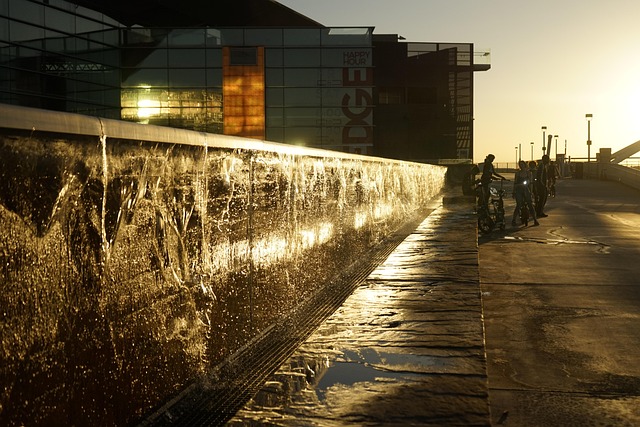
Mill Avenue’s entertainment district has undergone a remarkable transformation, with real estate at the heart of this revival. Once a neglected urban area, it has evolved into a bustling hub, attracting residents, businesses, and visitors alike. This renaissance is a testament to strategic urban renewal initiatives and the power of well-curated real estate development. The district’s success lies in its ability to blend historic charm with modern amenities, creating a vibrant atmosphere that fosters community engagement.
The journey began with a comprehensive planning process that involved local stakeholders, architects, and developers. Old industrial sites were reimagined as mixed-use spaces, combining residential apartments, retail shops, and cultural venues. This diverse offering attracted a wide range of demographics, from young professionals to families seeking an urban lifestyle. For instance, the renovation of historic warehouses into lofts and restaurants has become a signature feature, preserving the area’s heritage while accommodating contemporary needs. Real estate investments focused on creating walkable, sustainable environments, promoting a sense of community and reducing reliance on private vehicles.
Urban renewal strategies also included public art installations and green spaces, enhancing the district’s appeal. These efforts have not only revitalized the area but also contributed to the local economy. According to recent studies, the entertainment district has seen a 25% increase in foot traffic and a corresponding rise in retail sales. Developers are now exploring innovative designs, such as incorporating smart technology into buildings, further elevating Mill Avenue’s reputation as an urban destination. This ongoing renewal process serves as a model for other cities, demonstrating that through strategic real estate development and community engagement, vibrant, sustainable neighborhoods can emerge from previously underutilized spaces.
Exploring the District's Cultural and Economic Impact

Mill Avenue’s vibrant entertainment district has become a cultural hub, attracting locals and visitors alike with its diverse offerings. This bustling area not only serves as a recreational destination but also exerts significant influence on the local economy and real estate market. The district’s cultural impact is evident in the array of art galleries, music venues, and performance arts centers that line its streets, fostering a creative atmosphere that has attracted numerous artists and entrepreneurs.
Economically, Mill Avenue has experienced substantial growth, with an increase in retail sales, dining options, and hospitality businesses. This surge in economic activity translates to higher property values and rental rates, making it an attractive real estate investment opportunity. According to recent studies, the district’s foot traffic has been steadily rising, indicating a strong consumer demand for its unique offerings. Moreover, the presence of these cultural amenities has contributed to the area’s appeal, leading to a resurgence in neighborhood development and revitalized interest from both residents and investors.
To maximize the potential of this dynamic district, urban planners and developers must collaborate closely. Strategic investments in infrastructure, public transportation, and mixed-use developments can further enhance its accessibility and desirability. By fostering partnerships between local businesses, artists, and real estate stakeholders, Mill Avenue can continue to evolve as a thriving cultural center that drives economic growth while preserving its unique character. This holistic approach ensures the district’s long-term success, making it a model for urban development across the nation.